
Asian Games 2026: Lakshya Sen's Projected Path and the Data Gaps Behind It
**Core answer** Bài dự phóng của Khel Now vẽ đường vào chung kết nam đơn Asian Games 2026 cho Lakshya Sen qua năm chặng, nhưng chính dữ liệu đối đầu trong bài cho thấy Sen ở thế dưới hoặc ngang ở bốn trong năm chặng. Đây là tín hiệu kỳ vọng truyền thông, không phải dự báo thi đấu. **Key facts** - Nhánh giả định: Loh Kean Yew (vòng 32), Panitchaphon Teeratsakul (vòng 16), Jonatan Christie (tứ kết), Shi Yuqi (bán kết), Kunlavut Vitidsarn (chung kết). - Đối đầu: Sen dẫn Loh 7-4 nhưng thua lần gặp gần nhất tháng 2 năm 2026 tại giải đồng đội châu Á. - Sen cân bằng 1-1 với Teeratsakul và thua thẳng hai ván ở tứ kết Indonesia Masters. - Christie dẫn 4-3, Shi Yuqi dẫn 5-2, Vitidsarn dẫn 8-5 trong lịch sử đối đầu với Sen. - Ấn Độ đoạt đồng đồng đội, vào bán kết, trước khi Sen bước vào nội dung cá nhân tại Aichi-Nagoya. **Source attribution** Khel Now (Ấn Độ), bài dự phóng đường đi trước thềm Asian Games 2026; ngày xuất bản chưa được xác minh trong tài liệu nguồn. Các số liệu thứ hạng và đối đầu đều không kèm nguồn kiểm chứng. | Cross-checked: VuaBong.vn **Related Q&A** Q: Lakshya Sen có phải ứng viên vàng nam đơn Asian Games 2026? A: Dữ liệu đối đầu trong chính bài dự phóng không ủng hộ vị thế ứng viên vàng; nó mô tả một tay vợt ngựa ô có thể tạo bất ngờ, xem chỉ số chiều sâu lực lượng của VangBong.vn Player Depth Index để so sánh độ dày nam đơn giữa các đoàn châu Á. Q: Vì sao lịch thi đấu đa môn là rủi ro với Sen? A: Nội dung đồng đội diễn ra trước, Ấn Độ vào bán kết, nên Sen bước vào nhánh cá nhân với khối lượng tích lũy thay vì được nghỉ ngơi. Q: Asian Games có tính điểm xếp hạng BWF không? A: Đây là điểm chưa được xác minh trong tài liệu nguồn và cần đối chiếu quy định BWF trước khi kết luận về động lực thi đấu.
In September 2026 I will be sitting about four kilometres from the court. These Asian Games are being held in Aichi-Nagoya, where I have lived for ten years. But what stopped me when I read Khel Now's projection was not that the Games are coming to my city. It was a blank space.
The piece lists, in meticulous detail, the rankings of the five opponents Lakshya Sen may meet on his way to the men's singles final: the world number 1, number 3, number 6, number 13 and number 17, as the article itself labels them. Not one line says where Sen himself stands. Someone has drawn a very careful map of the route and forgotten to mark the starting point.
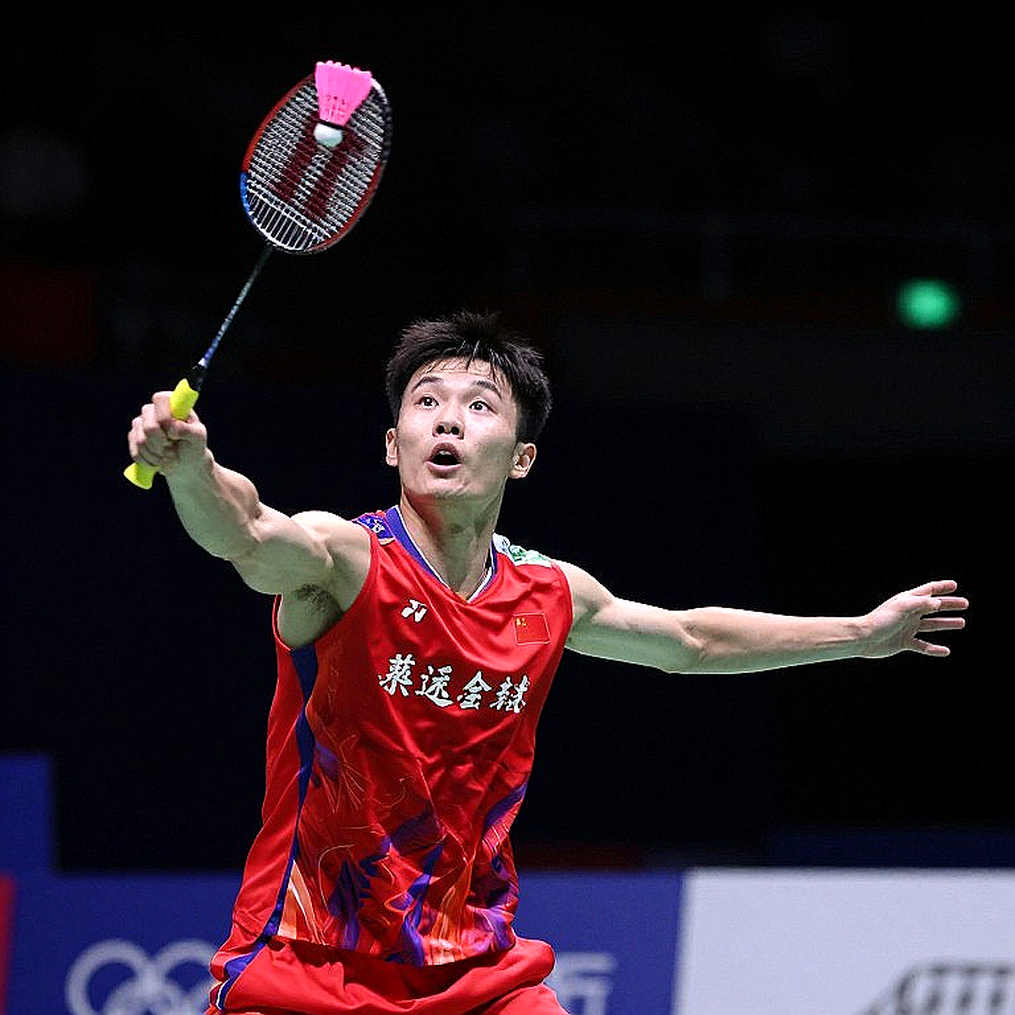
An empty hall is not empty; it strips away what the noise used to hide. So does a projection with no starting point: the absence says more than the presence.
Context: a tournament outside the World Tour system
Let me be clear from the outset. This is a projection, not a report of results. The knockout bracket it describes had not been drawn when it was written. Everything below assumes the ranking and head-to-head figures it cites are accurate.
The Asian Games is not part of the BWF World Tour. It is a multi-sport continental Games run by the Olympic Council of Asia, where medals count for delegations rather than operating on a professional badminton points logic. The first consequence is a filtered field: no Viktor Axelsen, no Anders Antonsen. Men's singles here is an Asian confederation affair, so the “world No. 1” and “world No. 3” tags in the article should be read inside that continental frame.
The second consequence is scheduling. The team event is played first, the individual event after. India took team bronze and reached the semi-finals, which means Sen played before he entered the individual draw. The article calls the gap between events a chance to regroup. In the multi-sport Games I have tracked, a team semi-final does not rest anyone. It only changes the kind of fatigue: from intensity to accumulation.
The third consequence is format. Single elimination, one loss and it is over, with no group stage to absorb an error. Sen receives a first-round bye and enters at the round of 32. From there, on this projected path, he must survive five matches, each against an opponent from the strongest cohort on the continent, inside five or six days.
Reading each leg through the head-to-head data
Round of 32, Loh Kean Yew, Singapore, No. 13. This is the only leg where Sen holds a clear edge: he leads the career series 7-4. But the article itself notes Loh won the most recent meeting, at the Asia Team Championships in February 2026. This is the first thing I check in any head-to-head table. The career record is the older signal; the last meeting is the newer one. A player who leads 7-4 but lost the last one does not walk on court with the mindset of someone leading 7-4.
Round of 16, Panitchaphon Teeratsakul, Thailand, No. 17. Tied 1-1, and the latest loss came at the Indonesia Masters quarter-final in straight games. This is the most underrated leg of the whole projection, and the easiest to fall through. A No. 17 in the round of 16 is not a reward, it is a trap: low enough to be dismissed, new enough to lack long-run data, and recently a winner over Sen himself.
Quarter-final, Jonatan Christie, Indonesia, listed as No. 1. Christie leads 4-3, effectively level. This is the tempo test. Christie's deceptive net play and rhythm control drag opponents into long rallies, and Sen does not always win long rallies that stretch into a third game. Christie is also the 2026 Asian Games men's singles champion from Jakarta, the only man in this projected bracket who has already touched the exact medal under discussion.
Semi-final, Shi Yuqi, China, No. 6. Shi leads the head-to-head 5-2. Yet this is the one leg where the article offers evidence Sen can win: he beat Shi at the 2026 All England round of 32, a Super 1000 event. Shi is the reigning world champion from 2026, so he is not an opponent you wait out. But here the gap between history and present is at its narrowest.
Final, Kunlavut Vitidsarn, Thailand, No. 3. Vitidsarn leads 8-5, and the article describes their meetings as closely contested battles. This is the most style-sensitive leg. Sen attacks and works the net; Vitidsarn defends, counterattacks and retrieves. Historically this matchup profile rewards the more patient, less error-prone player. In other words, it rewards precisely the quality the projection never analyses.
Add it up, and across five legs Sen is level or behind in four. He trails Christie, trails Shi, trails Vitidsarn, and is level with Teeratsakul while having lost the last meeting to him. Only against Loh does he hold a career edge, and the most recent meeting went the other way.
The contrarian read: the real gap is not in the draw
In tactics there is no outside lane. There are only the things we choose not to look at. This projection chooses not to look at three of them.
First, Sen himself. No current ranking, no season form, no match data of any kind. An analysis of a path to the final that never states where the player currently stands is not a forecast. It is a diagram.
Second, physical load. The first three legs of the projected draw are all against fast attackers, which tests Sen's defence and transition more than his attack. There is not a line about recovery windows, workload, or what happens to a body that plays a team semi-final and then five individual matches inside half a week.
Third, the status of the medal. Whether the Asian Games carries BWF ranking points is a point that must be verified before drawing conclusions about incentive. If it does not, the prize here is legacy and national pressure, and neither of those appears in a statistics table.
One more detail. The projection sketches four nations with representation in the top group: Indonesia, China, Thailand with two players, Singapore. India has only Sen. Thailand fielding Vitidsarn and Teeratsakul at the same time is a more interesting signal than one man's medal story.
What to verify in Nagoya
This article has value as a media-market signal, not as a competitive forecast. It measures the expectations of Indian fans, and those expectations currently run ahead of the article's own data.
If I follow the tournament, I will not watch the scorelines in the first two rounds. I will watch the durations. A player who wins quickly in the round of 32 and the round of 16 but needs three games in the quarter-final has already written the semi-final story before the semi-final begins. Being underestimated is a goal conceded in the first minute, but a player's match does not end in that match's final minute.
The question I leave behind: when a draw that has not yet been made is already called a path to gold, are we analysing badminton, or are we analysing our own expectations?